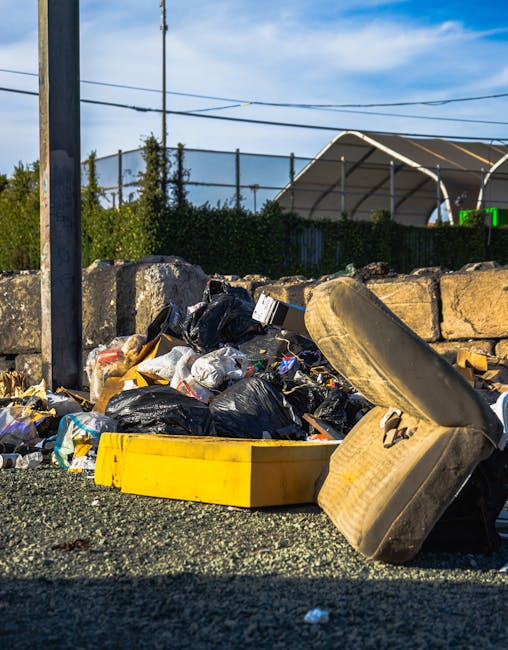
Thornton Heath Recreation Ground event rubbish management: a practical guide for cleaner, smoother events
When you are planning an event at Thornton Heath Recreation Ground, rubbish can become the thing nobody talks about until it starts piling up. Empty cups. Food trays. Broken packaging. Half-deflated balloons on damp grass by late afternoon. It happens fast. Good Thornton Heath Recreation Ground event rubbish management is what keeps that mess from turning into complaints, slip risks, missed collections, or an unpleasant final sweep at 9pm in the dark.
This guide walks through how event waste handling works, what usually goes wrong, and how to put a simple system in place that actually holds up on the day. Whether you are organising a community fair, sports day, school event, charity fundraiser, or a one-off public gathering, the basics are the same: reduce waste, separate it well, keep walkways clear, and make collection straightforward. A calm plan beats a frantic clean-up every time.
Why Thornton Heath Recreation Ground event rubbish management Matters
Event rubbish management is not just about tidiness. It affects safety, the feel of the event, and how quickly the site can be handed back once everything ends. On a busy day, waste can gather at entrances, food stalls, picnic areas, and near seating within minutes. If collection points are badly placed, people simply leave litter where they stand. Fair enough, most attendees are not being careless on purpose; they are just following the easiest path.
At a place like Thornton Heath Recreation Ground, that matters even more because outdoor events are exposed to weather, footfall, and natural movement across open areas. A windy afternoon can spread lightweight packaging surprisingly far. One missed bin bag can become five. And once rubbish starts drifting, the ground looks less organised, even if the event itself is going well.
There is also the practical side after the event finishes. If waste has not been separated properly, the clean-up team spends longer sorting, loading, and moving bags around. That can mean extra labour, delayed closure, and unnecessary costs. In some cases, it can also create issues with waste acceptance if materials have been mixed badly. Nobody wants that awkward end-of-day conversation.
Expert summary: the best event rubbish plan is simple, visible, and hard to ignore. Put bins where people naturally stop, empty them before they overflow, and remove waste in stages rather than waiting for one huge clean-up at the end.
For organisers working alongside a wider waste plan, it often helps to align event rubbish handling with broader services such as rubbish removal, waste recycling services, or same-day skip hire when turnaround is tight.
How Thornton Heath Recreation Ground event rubbish management Works
At its simplest, event rubbish management is the process of planning where waste will go, how it will be separated, who will move it, and how it will leave the site. That sounds obvious, but the actual working parts are easy to overlook when everyone is busy with staging, tickets, catering, sound checks, and the one volunteer who has vanished to find extension leads.
A practical setup usually involves four stages:
- Forecast the waste based on event type, guest numbers, and food or drink provision.
- Place bins and collection points where people naturally pass through or pause.
- Assign a collection rhythm so waste is removed before it overflows.
- Use the right disposal route for general waste, recyclable materials, and any special items.
For a small community event, the system may be simple enough to manage with labelled bins and regular bag changes. For a larger event, it often makes sense to use a combination of bins, a temporary storage area, and scheduled collection by a waste contractor or vehicle. In some situations, wait and load skip hire can be useful where space is limited and you want waste cleared quickly without leaving a container on site for long.
If access is tight, or the ground layout makes it awkward to position larger containers, grab hire services or grab lorry hire may be a cleaner fit. And if you need flexibility for mixed waste streams, a solution such as man and van can suit smaller, staged removals. Not glamorous, but useful.
One practical point people miss: rubbish management starts before the first guest arrives. Signs, bin colours, bag stock, spare liners, and access routes all need to be ready in advance. If you leave that until noon on event day, well, you are already chasing the problem.
Key Benefits and Practical Advantages
Good event waste planning saves time, but the real value goes beyond that. When people move through a clean space, the event feels more professional, more welcoming, and easier to enjoy. That is especially true in family-oriented settings where parents notice litter immediately, even if nobody says it aloud.
- Cleaner presentation: the site looks organised from the first visitors to the final sweep.
- Better safety: fewer trip hazards, fewer spilled materials, and less clutter around footpaths.
- Smoother operations: staff and volunteers know where waste goes instead of guessing.
- Faster close-down: waste is already managed in stages, so pack-down is less chaotic.
- Improved recycling outcomes: separating cardboard, cans, plastics, and food waste becomes much easier.
- Lower stress: you are not relying on a last-minute panic clean-up when everyone is tired.
There is another advantage that is easy to underestimate: reputation. Event visitors tend to remember how a place feels. A tidy ground, with bins that are actually usable and waste under control, gives the impression that the organisers cared. That matters for future bookings, community relationships, and how people talk about the event afterwards. People do notice, even if they are not scanning the bins with forensic detail.
If sustainability is part of your event goals, it may also be worth aligning the waste plan with recycling and sustainability principles and reviewing what can be separated before collections begin.
Who This Is For and When It Makes Sense
This kind of planning is useful for anyone organising an outdoor event where waste will be created on site. The scale changes, but the principles do not.
- Community event organisers managing local fairs, festivals, and fundraisers.
- Schools and PTAs running sports days, summer fairs, or open-air performances.
- Charities and faith groups hosting outdoor gatherings with food stalls or seating areas.
- Sports organisers dealing with changing waste volumes around pitches, stands, and hospitality tents.
- Catering teams who need food packaging and organic waste handled quickly.
- Event contractors responsible for the site left behind after load-out.
It makes sense whenever the event will generate more than a handful of bags, or when you need to keep the site clean while the event is still running. If the event is only short and small, a few strategically placed bins might be enough. But once you add food service, high footfall, or staging equipment, the waste stream gets messy very quickly. Truth be told, even "simple" events can turn into a lot of cardboard and drinks packaging by mid-afternoon.
For organisers who are clearing after an event as well as before it, services like site clearance can be especially helpful. If the same team is also handling office, marquee, or storage waste, office clearance and commercial skip hire may be relevant too.
Step-by-Step Guidance
If you want event rubbish management to feel straightforward on the day, the trick is to make decisions early. Here is a simple process that works well in real life.
1. Estimate the likely waste
Start with the basics: number of guests, length of the event, food and drink offer, and whether visitors will bring their own seating, packaging, or picnic items. A craft fair creates different waste from a football tournament. A music event is different again. That sounds obvious, but people often overestimate the easy bits and underestimate the volume of cups, napkins, and food containers.
2. Map the busiest areas
Look at entrances, exits, stalls, seating, refreshment points, toilets, and any queueing areas. These are the places where waste naturally appears. If you only place bins at the edges, visitors will not walk to them. They will just... not. So make the bin journey shorter than the litter journey.
3. Separate waste streams where practical
Even a basic split between general waste and recyclables can make a big difference. If catering is involved, food waste should be kept separate where the collection system supports it. Keep paper, card, cans, and clean plastic apart from dirty items. Mixed waste can still be managed, of course, but it is usually less efficient and less sustainable.
4. Decide who empties what and when
Assign actual names, not vague "somebody will probably do it" arrangements. One volunteer can be responsible for checking bins every hour. Another can move full bags to a temporary holding point. A supervisor can handle the final sweep. Clear responsibility saves arguments later. And yes, somebody always asks where the spare bin liners are right when you need them most.
5. Keep collection access clear
Waste handlers need an easy route in and out. If bags are stacked across access paths, collection slows down and safety suffers. Keep a small, discreet storage area for full bags or container loads. Make sure it is close enough to be useful but not so visible that it spoils the event space.
6. Remove waste in stages
Do not wait for everything to finish if you can avoid it. Mid-event uplift reduces overflow and helps the place stay tidy. A final post-event sweep then becomes manageable rather than heroic.
7. Audit what was left behind
Once the event is over, note what bins filled fastest, which areas were worst, and what waste was hard to separate. That information is gold for the next event. Little adjustments often save a lot of trouble next time.
Expert Tips for Better Results
Over time, a few patterns show up again and again. These are the little details that make the difference between a tidy event and one where staff spend half the afternoon chasing litter in the wind.
- Use clear labels, not clever labels. "Cans," "Plastic bottles," and "General waste" is better than a witty sign that nobody reads properly.
- Place bins where people stop, not just where planners prefer. Queue points, refreshment queues, and seating edges usually work best.
- Choose bin sizes with overflow in mind. A bin that is too small looks fine at 10am and hopeless by 2pm.
- Keep spare liners and gloves on hand. Sounds basic, but it saves a lot of fiddling.
- Think about weather. Rain makes cardboard soggy, wind lifts lightweight packaging, and wet grass makes bag handling messier.
- Brief everyone once, properly. A 10-minute walk-through before gates open is better than repeating instructions all day.
One small but very real tip: if you have food vendors, ask them to box their own waste clearly from the start. It is much easier to handle one stall's waste consistently than to untangle a mixed heap later. That tiny bit of discipline pays off.
For more controlled waste handling, especially if items need to stay secure before removal, enclosed and lockable skip hire can be a sensible option. If you are unsure what is allowed in a container, it is worth checking what can go in a skip before anything is loaded.
Common Mistakes to Avoid
Most event waste problems come from a handful of predictable mistakes. The good news? They are easy enough to prevent once you know what to look for.
- Too few bins: visitors leave litter on the nearest surface when bins are inconvenient.
- Poor positioning: bins hidden behind gazebos or placed too far from food areas get ignored.
- No collection schedule: overflowing bins look bad fast and can become a hazard.
- Mixing all waste together: this makes recycling harder and collection more cumbersome.
- Forgetting access routes: if a vehicle cannot reach the collection point, the whole plan slows down.
- Leaving special items unplanned: things like broken appliances, sharps, confidential paper, or contamination need specific handling.
Another common one is assuming post-event clean-up will be quick because the event was only "small." In practice, small events can generate strangely stubborn waste. Cups wedged into grass. Food trays under benches. Bottle tops everywhere. It adds up. Fast.
If your event includes unusual items, you may need supplementary services such as hazardous waste disposal, confidential shredding, or specialist item removal like fridge and appliance removal where relevant.
Tools, Resources and Recommendations
You do not need a complicated setup to manage event rubbish well. A few practical tools usually cover most needs.
- Heavy-duty bin liners for quick changes and fewer tears.
- Clear bin signage so people know what goes where at a glance.
- Gloves and litter pickers for safe handling during the event and after.
- Wheelie bins or temporary collection containers if waste will build up through the day.
- Spare barriers or cones to protect temporary waste holding areas from public access.
- A simple waste log to track which areas need the most attention.
From a service perspective, the right solution depends on timing, access, and waste volume. For quick clearances, same-day skip hire may help. Where the event footprint is smaller or access is awkward, wait and load skip hire avoids leaving a container on site. For larger mixed loads, grab lorry hire can be efficient if the area allows good machine access.
If you are budgeting for an event, compare your disposal options against the likely volume and the time you have to clear it. The page on skip sizes and prices is a practical place to start if you are matching container size to the scale of the job. And if you need a clear route to booking, book online keeps the process simple.
Law, Compliance, Standards, or Best Practice
Event rubbish management in the UK should always be approached with duty of care in mind. In plain English, that means waste should be stored securely, transferred appropriately, and handled by people who know what they are doing. You do not need to turn the event into a legal seminar, but you do need basic compliance awareness.
For organisers, the main best-practice points are usually these:
- Keep waste contained so it does not escape into public areas or waterways.
- Separate materials sensibly where recycling is realistic and supported by the collection route.
- Do not mix special waste with general waste unless you are sure it is permitted.
- Use reputable waste carriers and keep records of what has been removed if appropriate.
- Protect workers and volunteers with gloves, safe lifting, and clear walkways.
If your event creates contractor waste from staging, fencing, or ground works, broader services such as builders waste removal, construction waste disposal, or construction waste clearance may be more appropriate than general rubbish removal. For heavier site clean-ups, site clearance and insurance and safety information can also support a more cautious approach.
If you are ever unsure whether an item is suitable, check beforehand rather than guessing. That one decision can save a surprising amount of hassle later.
Options, Methods, or Comparison Table
The best waste method depends on space, timing, and how much rubbish the event will produce. Here is a simple comparison that helps narrow the choice.
| Method | Best for | Strengths | Watch-outs |
|---|---|---|---|
| Bin-and-bag collection | Small events and light footfall | Simple, low-cost, easy to organise | Can overflow quickly if volume rises |
| Skip hire | Moderate to high waste volumes | Handles mixed loads well, straightforward disposal | Needs space and sometimes permits depending on location |
| Wait and load | Sites where space is tight | No long-term container left on site, fast turnaround | Requires good timing and access control |
| Grab lorry | Bulk waste and heavier mixed materials | Efficient for larger clearances and awkward piles | Needs access and suitable loading conditions |
| Man and van | Smaller, staged clearances | Flexible, useful when waste builds up gradually | May not suit very large event waste volumes |
There is no single winner. A school fair might be fine with bins plus a small collection plan. A larger public event may need a container solution and staged removal. If you are managing bulky items alongside regular litter, options like mattress and sofa disposal can also be useful if the event involves temporary seating or donated furniture, though that is less common.
Case Study or Real-World Example
Here is a realistic example. A local summer community event runs from late morning into early evening and includes food stalls, a small stage, children's activities, and a raffle tent. On paper, it looks manageable. In practice, by 1pm there are paper cups near the benches, snack wrappers by the play area, and a growing bag pile behind the catering zone.
The organiser sets up three waste zones before opening: one near food, one near the main seating area, and one near the exit. Volunteers check the bins hourly. Full bags are moved to a hidden holding point so they do not crowd the public space. Mid-afternoon, the busiest bins are emptied again because the catering area is moving faster than expected. Nothing dramatic, just steady attention.
By the end of the event, pack-down is almost boring in the best possible way. The final sweep takes less time because waste has already been managed in stages. There is no mountain of rubbish to confront at dusk, just a few bag loads and some stray napkins caught in the grass. That is the sort of event finish everyone wants, even if nobody writes it on the programme.
In a situation like that, if the organiser needed post-event collection support, rubbish removal or skip hire would both be sensible options depending on volume and access. If the event also left behind bulky mixed materials, man and van can be a practical follow-up route.
Practical Checklist
Use this checklist before the event begins, then again at closing time. It keeps the whole waste plan grounded.
- Estimate waste based on event size and catering activity.
- Place bins in visible, high-traffic areas.
- Label waste streams clearly and simply.
- Brief staff and volunteers on collection duties.
- Keep spare bin liners, gloves, and cleaning supplies ready.
- Set a schedule for checking and emptying bins.
- Identify a temporary holding area for full bags or containers.
- Keep access routes clear for collection vehicles.
- Separate recyclables, food waste, and general rubbish where possible.
- Plan for bulky, special, or awkward waste items in advance.
- Do a final sweep before handing the site back.
- Note what worked well and what needs improving next time.
Quick takeaway: the tidiest events are not the ones with the fewest bins; they are the ones with the clearest system.
Get a free quote today and see how much you can save.
Conclusion
Thornton Heath Recreation Ground event rubbish management is really about calm preparation. If the waste plan is visible, simple, and checked regularly, the event feels better while it is running and closes down more smoothly afterwards. That is good for visitors, good for staff, and good for the space itself.
You do not need a perfect system. You need a practical one that fits the event, the site layout, and the waste volumes you are actually likely to face. Start with the busiest areas, keep access easy, and remove waste before it becomes a problem. Simple, really - though as anyone who has run an outdoor event knows, simple is usually the hardest thing to get right.
If you are planning a future event, a little time spent on waste planning now will save a lot of messy sorting later. And that, honestly, is a relief all round.
Frequently Asked Questions
What does Thornton Heath Recreation Ground event rubbish management usually include?
It usually includes bin placement, waste separation, bag collection, temporary storage, and final removal after the event. For larger events, it can also include container hire or staged uplift during the day.
How many bins do I need for an outdoor event?
There is no fixed number because it depends on attendance, food sales, and how spread out the site is. A good rule is to place bins where people naturally stop, then monitor them closely during the event and add more if needed.
Is skip hire suitable for event waste at Thornton Heath Recreation Ground?
Yes, it can be. Skip hire works well when you have enough waste volume to justify it and enough space for safe placement. For tighter sites, wait and load skip hire or grab hire services may be better.
Can recyclable waste be separated at a community event?
Yes, and it is often worth doing. Clean cardboard, plastic bottles, and cans are the easiest items to separate. Keep the system simple, because overly complicated recycling rules tend to be ignored on busy days.
What should I do with food waste from stalls or catering units?
Food waste should be kept separate where the collection plan allows it. It helps with cleanliness, smell control, and sorting after the event. If food waste is mixed with general rubbish, collection becomes less efficient.
Do I need a permit for a skip at an event site?
It depends on where the skip is placed and whether it sits on public land or affects access. Always check the positioning and plan early. If a permit is needed, skip permits and skip hire permits are the relevant pages to review.
What happens if rubbish is left until the end of the event?
It often means more overflow, more mess, and a much longer close-down. Waste that could have been removed in stages becomes harder to handle all at once, especially if it is wet, mixed, or spread across the site.
How do I keep rubbish from blowing across the ground?
Use lidded bins where possible, empty them regularly, and keep lightweight waste like napkins and packaging in enclosed containers. Windy weather can make a tidy site look messy very quickly, so a little prevention goes a long way.
What if the event creates bulky items as well as litter?
Bulky items usually need a different approach from normal litter collection. Depending on the load, you may need rubbish removal, man and van, or a larger container solution.
Are there special rules for hazardous waste?
Yes. Hazardous items should never be mixed with ordinary event rubbish. They need separate handling and proper disposal arrangements, so it is best to isolate them immediately and arrange the right service.
How can I make event waste management more sustainable?
Start by reducing single-use items, then separate recyclables and food waste where practical. Choose a collection method that supports sorting, and review what waste was created so you can improve next time. The recycling and sustainability page is a useful starting point.
Who should be responsible for waste checks during the event?
One named person or small team should own the task. If nobody is clearly responsible, bins tend to be forgotten until they are full. A simple rota works well and keeps the job from falling through the cracks.
Can I arrange waste clearance on the same day?
Yes, if timing and access allow it. Same-day skip hire can be useful for urgent clearances, though it is always better to book ahead where possible.